
Iran has made strong arrangements for its income, will it earn this much from the Hormuz toll?
Iran will impose tolls on oil tankers passing through the Strait of Hormuz, which could earn Iran up to $70-80 billion annually and have a major impact on the global oil market.
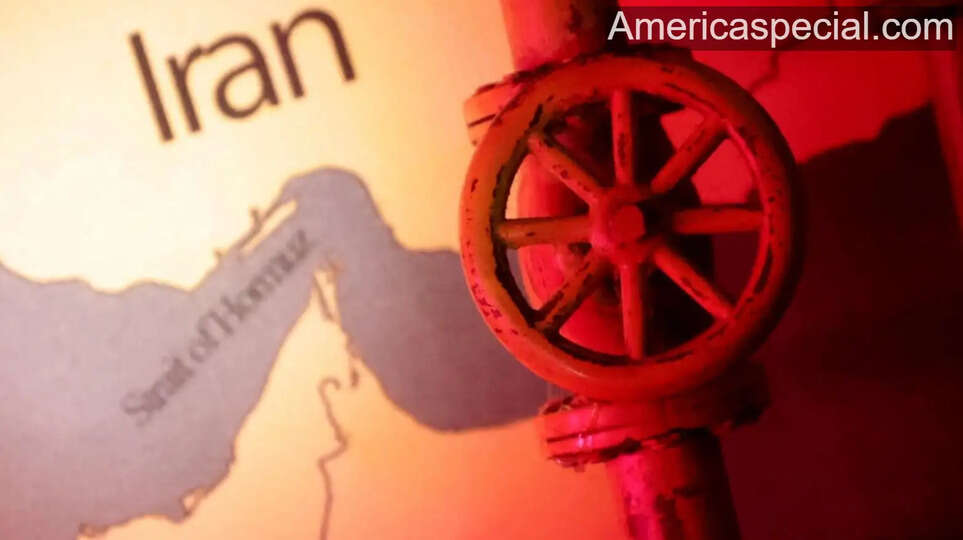
Amid rising tensions in the Middle East, Iran is preparing to take a major step to increase its revenue. According to reports, Iran will impose toll taxes on oil tankers transiting the Strait of Hormuz,
the sea route through which approximately 20% of the world's oil and LNG passes. Let us explain how much Iran could earn annually from toll collections through the Strait of Hormuz.
According to an ET report, Iran could impose a transit fee of approximately $1 per barrel of oil.
If implemented, this plan could generate a significant annual revenue of $70 to $80 billion, or approximately Rs 6.43 lakh crore to Rs 7.4 lakh crore. Significantly, this amount could exceed Iran's traditional oil export earnings.
This is how much income you have earned before
Looking at the figures, Iran earned approximately $41.1 billion from oil exports in 2023 and $46.7 billion in 2024.
Its daily oil income is also projected to rise sharply to approximately $139 million in 2026. Currently, Iran exports approximately 1.6 million barrels of oil per day.
However, the situation is not entirely normal. Amid escalating conflict with the US and Israel, Iran briefly blocked this waterway, significantly impacting global oil supplies and causing a surge in prices.
Later, a two-week temporary ceasefire between the US and Iran, initiated by Donald Trump, somewhat eased the situation.
Trump also indicated that the two countries could work together to secure this vital sea route.
Shipping affected
The impact of this tension was also clearly visible on shipping. Approximately 187 oil tankers, carrying 172 million barrels of oil, were stranded en route. Meanwhile, a blockage of over 1,000 ships in the Gulf region has formed,
which could take more than two weeks to resolve. All eyes are now on whether Iran actually implements the toll tax. If so, it could prove to be a game-changer not only for its economy but also for the global oil market.