
The Red Sea, not Hormuz, now poses a global threat! The story of a new oil 'hotspot' amid the Iran-Israel war
The blockage in the Strait of Hormuz and the Houthi threat in the Red Sea could create a double strain on global trade. The impact on oil supply, shipping, and inflation will increase, potentially having a direct impact on India's economy.
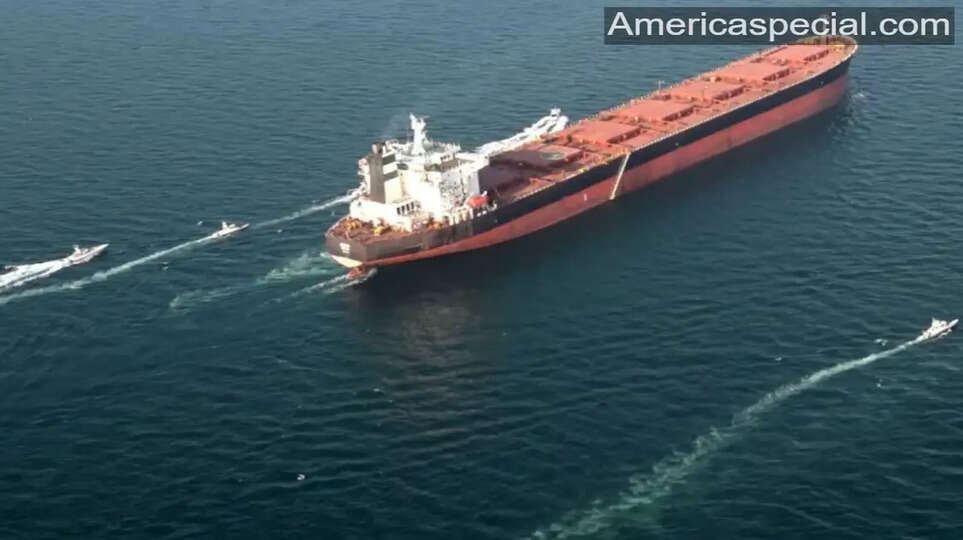
The global economy is about to face another shock just as markets are still reeling from the first. The blockage in the Strait of Hormuz has already sent oil prices soaring and disrupted energy supplies. But now a new and perhaps more destabilizing threat is emerging.
The threat is posed by Yemen's Iran-backed Houthi rebels engaging in a major campaign against shipping in the Red Sea.
If this occurs, the world could face simultaneous blockages on two of its most vital sea lanes, causing economic losses far greater than market expectations.
A delicate pause in oil markets
Oil prices have fluctuated only modestly in recent days, reflecting a balance between hope and fear.
On the one hand, reports that US President Donald Trump may be willing to halt military action against Iran without reopening the Strait of Hormuz have temporarily eased some of the panic. On the other hand, the fact that oil supplies through the Strait of Hormuz remain significantly disrupted.
This creates a confusing situation. Markets may be reacting to hopes of a de-escalation, but land-based oil supplies have not yet returned to normal.
Experts say that a true recovery in prices requires the full resumption of shipping through the Strait of Hormuz, which is still far from guaranteed. In this uneasy atmosphere, a second major source of disruption is emerging.
The Houthis as a new strategic weapon
According to Bloomberg, Iran is actively provoking Houthi rebels to launch a new campaign against shipping in the Red Sea.
European officials said Iran is pressuring Houthi rebels to prepare for a new campaign against shipping in the Red Sea as Iran seeks to expand its influence beyond the Gulf region.
The Houthi rebels have already signaled an escalation. Saturday's launch of missiles toward Israel, marking their entry into the ongoing conflict, marked their entry into the conflict.
More importantly, they have warned that they could target ships transiting the Bab al-Mandeb Strait, a narrow sea route connecting the Red Sea to the Gulf of Aden. This is no empty threat.
Between 2023 and 2025, the Houthi rebels attacked more than 100 ships, forcing major shipping companies to reroute their vessels via South Africa.
This increased costs, lengthened travel times, and significantly increased insurance costs. Now, the situation could become even more serious than before.
Two important routes, one big risk
The global energy system has a significant vulnerability. It relies on specific sea routes. The Strait of Hormuz and Bab al-Mandeb are two of the most important.